




How to measure the outer dimensions of a gear with an outer micrometer?
 Jun 13, 2025|
 Hey there! If you're in the manufacturing or mechanical engineering world, you probably know how crucial it is to measure the outer dimensions of a gear accurately. And that's where an outer micrometer comes in super handy. As an outer micrometer supplier, I've seen firsthand how these tools can make or break a project. So, let's dive into how you can measure the outer dimensions of a gear with an outer micrometer.
Understanding the Basics of an Outer Micrometer
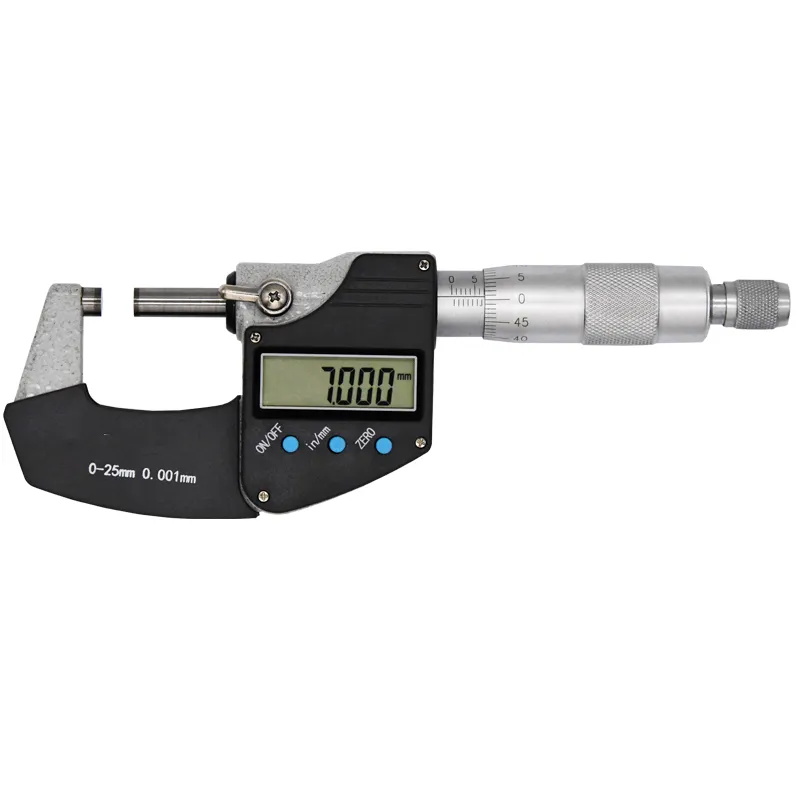
First things first, let's talk a bit about outer micrometers. There are different types out there, like the Digimatic Outside Micrometer, Electronic Outside Micrometer, and 0 1 Digital Micrometer. Each has its own features and benefits, but they all serve the same basic purpose: to measure the outer dimensions of an object with high precision.
The main parts of an outer micrometer include the frame, anvil, spindle, thimble, and sleeve. The anvil is the stationary part that the gear will rest against, and the spindle is the moving part that comes into contact with the other side of the gear. The thimble and sleeve are used to read the measurement.
Preparing for the Measurement
Before you start measuring, you need to make sure your outer micrometer is in good working condition. Check for any damage or wear on the anvil and spindle. Make sure the micrometer is clean and free of debris. You can use a soft cloth to wipe it down.
Next, zero the micrometer. This means setting the measurement to zero when the anvil and spindle are in contact with each other. On a digital micrometer, this is usually done by pressing a zero button. On a mechanical micrometer, you may need to adjust the thimble to align the scale with the zero mark on the sleeve.
Measuring the Outer Diameter of the Gear
Now, let's get to the actual measurement. Place the gear between the anvil and spindle of the micrometer. Make sure the gear is centered and that the anvil and spindle are perpendicular to the gear's axis. Gently turn the thimble until the spindle makes contact with the gear. You want to apply just enough pressure so that the micrometer is in contact with the gear but not so much that it deforms the gear.
On a digital micrometer, the measurement will be displayed on the screen. On a mechanical micrometer, you'll need to read the measurement from the scale on the sleeve and thimble. The sleeve has a linear scale, and the thimble has a circular scale. The main scale on the sleeve is divided into millimeters or inches, and the thimble scale is used to measure the fractional part of the measurement.
To read the measurement on a mechanical micrometer, first, read the value on the sleeve where the thimble's edge crosses the sleeve scale. Then, read the value on the thimble scale that lines up with the reference line on the sleeve. Add these two values together to get the total measurement.
Measuring the Gear's Tooth Thickness
Measuring the tooth thickness of a gear is a bit more complicated than measuring the outer diameter. You'll need to use a special measuring technique called the "span measurement." This involves measuring the distance across a certain number of teeth at a specific location on the gear.

To do this, first, determine the number of teeth to span. This will depend on the gear's size and the type of measurement you're making. You can use a gear measurement chart or calculator to find the appropriate number of teeth.
Next, place the micrometer's anvil and spindle on the gear teeth at the specified location. Make sure the anvil and spindle are in contact with the teeth at the correct depth. Gently turn the thimble until the spindle makes contact with the teeth. Read the measurement as described above.
Tips for Accurate Measurements
- Take multiple measurements: To ensure accuracy, take several measurements at different locations on the gear. This will help you account for any variations in the gear's dimensions.
- Use a micrometer stand: A micrometer stand can help you keep the micrometer steady and perpendicular to the gear, which can improve the accuracy of your measurements.
- Be careful with the pressure: Applying too much pressure can deform the gear or give you an inaccurate measurement. Use a light touch when turning the thimble.
Why Choose Our Outer Micrometers
As an outer micrometer supplier, we offer high-quality micrometers that are accurate, reliable, and easy to use. Our Digimatic Outside Micrometer provides digital readouts for quick and easy measurements. The Electronic Outside Micrometer offers advanced features like data output and statistical analysis. And the 0 1 Digital Micrometer is perfect for precise measurements in small spaces.
If you're in the market for an outer micrometer, we'd love to hear from you. Whether you're a small workshop or a large manufacturing plant, we can provide the right micrometer for your needs. Contact us today to discuss your requirements and get a quote. We're here to help you get the most accurate measurements possible for your gears and other components.
References
- "Machinery's Handbook" - A comprehensive reference book for mechanical engineers and machinists.
- "Gear Manufacturing Handbook" - A guide to gear design, manufacturing, and measurement.